Did you know that nearly 36 million Americans are missing all their teeth in one or both jaws?
According to the American College of Prosthodontists, this number is expected to rise as the population ages. Missing teeth aren’t just a cosmetic issue—they can impact eating, speaking, and even your confidence. Whether you’re dealing with a toothache or considering cosmetic treatment, acrylic partial dentures could be the affordable, effective solution you need. In this detailed guide, we’ll cover everything from their benefits and costs to care tips and beyond, brought to you by the experts at Stone Creek Village Dentistry.
Key Takeaways
- Acrylic partial dentures are removable appliances that replace missing teeth.
- They’re an affordable option, ideal for budget-conscious patients.
- The process involves consultation, impressions, fitting, and adjustments.
- Proper care ensures longevity and oral health.
- Costs typically range from $500 to $1,500, depending on various factors.
- They improve chewing, speaking, and self-esteem.
What Are Acrylic Partial Dentures?
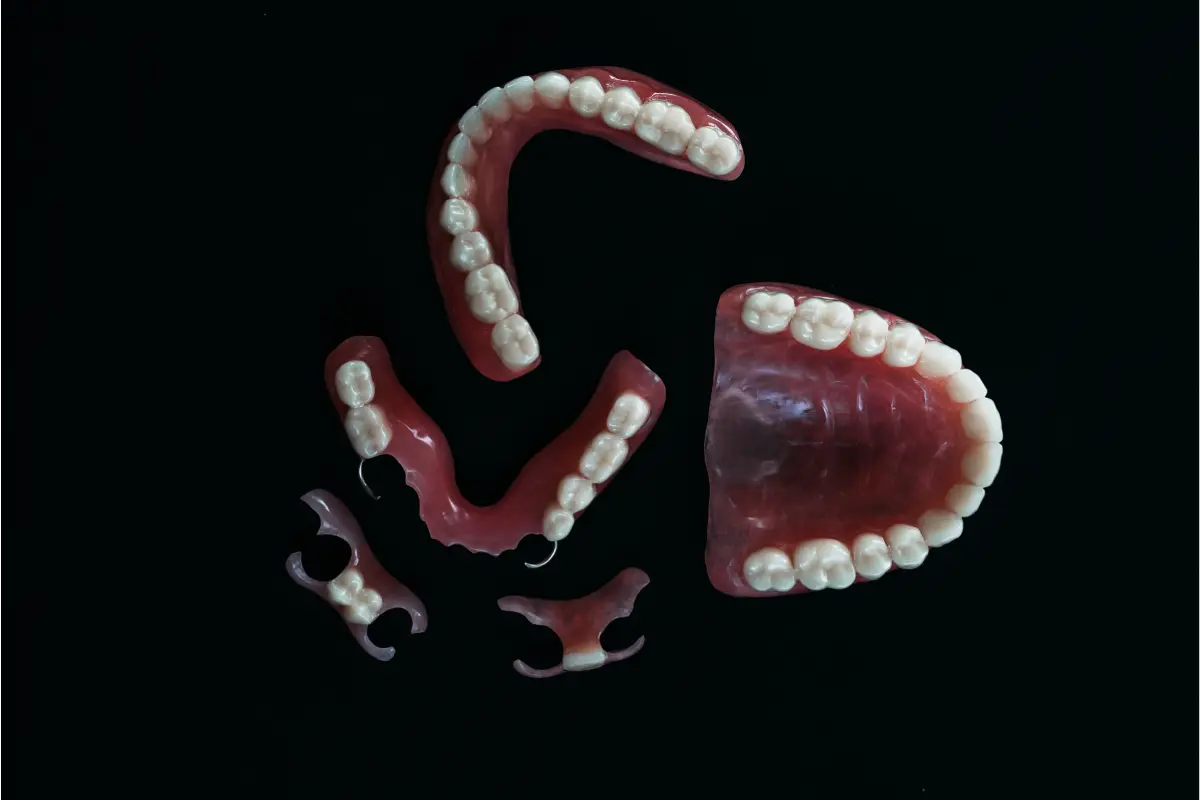
Acrylic partial dentures are removable dental prostheses designed to replace missing teeth. They feature a pink acrylic base that mimics your gums and supports artificial teeth made from porcelain or acrylic to match your natural smile. Clasps, often metal or plastic, secure the dentures to your remaining teeth, ensuring stability and comfort.
Benefits of Acrylic Partial Dentures
- Affordability: Less costly than metal or flexible dentures.
- Aesthetic Appeal: Natural-looking base and teeth blend seamlessly.
- Functionality: Restores chewing and speaking abilities.
- Ease of Repair: Simple to fix or adjust if damaged.
Why Choose Acrylic Partial Dentures?
Compared to metal or flexible partial dentures, acrylic options are lightweight, discreet, and budget-friendly. They’re ideal for patients who aren’t candidates for implants or bridges due to health or financial reasons.
Cost-Effectiveness Comparison
| Feature | Acrylic Partial Dentures | Metal Partial Dentures | Flexible Partial Dentures |
|---|---|---|---|
| Cost | Low ($500–$1,500) | High ($1,000–$2,500) | Highest ($1,500–$3,000) |
| Weight | Light | Heavy | Lightest |
| Aesthetics | Good | Fair | Excellent |
| Durability | Moderate | High | Good |
| Comfort | Good | Moderate | Excellent |
Acrylic partial dentures offer a practical balance of cost, comfort, and appearance.
The Process of Getting Acrylic Partial Dentures
At Stone Creek Village Dentistry, we make the process simple and personalized:
- Initial Consultation: Examination, X-rays, and discussion of your needs.
- Impressions: Custom molds for a perfect fit.
- Fitting and Adjustments: Ensuring comfort and functionality.
Detailed Steps
- Consultation: Assess oral health and discuss options.
- Impressions: Create a mold sent to a dental lab.
- Fitting: Adjust for comfort, with follow-ups if needed.
Caring for Your Acrylic Partial Dentures
Proper maintenance extends their life and keeps your mouth healthy:
- Daily Cleaning: Use a soft brush and mild cleaner.
- Nightly Soaking: Keep them moist in a denture solution.
- Handle Carefully: Clean over a towel to avoid breakage.
- Regular Checkups: Visit us for professional care. Call 831-920-6900.
Troubleshooting Tips
- Sore Spots: Schedule an adjustment if uncomfortable.
- Looseness: We can reline them for a snug fit.
Cost of Acrylic Partial Dentures
At Stone Creek Village Dentistry, costs range from $500 to $1,500, influenced by:
- Number of Teeth: More teeth, higher cost.
- Additional Procedures: Extractions increase expenses.
- Location: Our competitive pricing suits Del Rey Oaks.
Insurance often covers part of the cost, and we offer financing. Call 831-920-6900 for a quote.
Who Is a Candidate for Acrylic Partial Dentures?
Not everyone is suited for acrylic partial dentures. Ideal candidates include:
- Patients with Missing Teeth: Those with one or more missing teeth but some healthy ones remaining.
- Budget-Conscious Individuals: Seeking affordable solutions.
- Non-Surgical Candidates: Those unable to get implants due to health or bone density issues.
- Temporary Needs: Patients awaiting permanent solutions.
Who Might Not Be Suitable?
- Severe Gum Disease: Requires treatment first.
- All Teeth Missing: Full dentures may be better.
- Heavy Biters: Metal dentures might be more durable. Consult our team to determine if they’re right for you.
Impact on Diet and Nutrition
Missing teeth can limit your diet, affecting nutrition. Acrylic partial dentures help by:
- Restoring Chewing Ability: Enjoy fruits, vegetables, and proteins again.
- Improving Digestion: Better chewing aids nutrient absorption.
- Enhancing Enjoyment: Eat favorite foods without discomfort.
Dietary Tips with Dentures
- Start Soft: Begin with soups or mashed potatoes.
- Avoid Sticky Foods: Prevent dislodging (e.g., caramel).
- Cut Small: Bite-sized pieces ease chewing.
The History of Dentures
Dentures date back to 2500 BC in Egypt, using gold wire and human teeth. Materials evolved from ivory to porcelain, and now acrylic offers modern comfort and affordability.
Milestones in Denture Evolution
- Ancient Times: Animal teeth and wire.
- 18th Century: Porcelain, though fragile.
- 20th Century: Acrylic revolutionized accessibility.
Why Replace Missing Teeth?
Beyond looks, replacing teeth prevents:
- Bone Loss: Maintains jaw structure.
- Facial Sagging: Supports muscles.
- Shifting Teeth: Keeps alignment.
About Stone Creek Village Dentistry
Located at 463 Canyon Del Rey Blvd, Del Rey Oaks, CA 93940, we’re committed to quality care. Contact us at 831-920-6900 or visit stonecreekvillagedentistry.com.
Patient Stories
John: “My acrylic partial dentures restored my smile and confidence!”
Mary: “Affordable and life-changing—I love my new smile.”
Materials Used in Acrylic Partial Dentures
- Acrylic Resin: Lightweight, gum-colored base.
- Porcelain/Acrylic Teeth: Custom-matched to your smile.
- Clasps: Secure the denture in place.
Properties of Acrylic
- Durability: Moderate, resists daily wear.
- Aesthetics: Natural look.
- Comfort: Adjustable fit.
Psychological and Social Impacts
Missing teeth can lower self-esteem and limit social interactions. Dentures help by:
- Boosting Confidence: Smile freely.
- Enhancing Communication: Speak clearly.
- Reducing Anxiety: Feel at ease socially.
Advanced Care Tips
- Denture Brush: Avoid abrasive toothbrushes.
- Lukewarm Water: Prevents warping.
- Inspect Regularly: Check for wear.
Common Fixes
- Discomfort: Adjustments resolve soreness.
- Slipping: Adhesives or relining help.
Latest Advancements in Denture Technology
- 3D Printing: Faster, precise production.
- Advanced Acrylics: More durable and lifelike.
- Digital Impressions: Better fit, fewer adjustments.
Alternatives to Acrylic Partial Dentures
- Metal Dentures: Durable but heavier.
- Flexible Dentures: Comfortable, pricier.
- Implants: Permanent, costly.
Pros and Cons
| Option | Pros | Cons |
|---|---|---|
| Acrylic Partial | Affordable, light | Less durable |
| Metal Partial | Strong, stable | Heavy, visible clasps |
| Flexible Partial | Comfortable, discreet | Expensive |
| Implants | Permanent, natural | High cost, surgery |
Myths and Misconceptions
-
Myth: “Dentures are only for the elderly.” Truth: Suitable for all ages with missing teeth.
-
Myth: “They’re uncomfortable.” Truth: Properly fitted dentures feel natural.
-
Myth: “They don’t look real.” Truth: Modern designs are lifelike.
Environmental Impact of Denture Materials
Acrylic production has a carbon footprint, but advancements aim for sustainability:
- Recycling: Some clinics recycle old dentures.
- Eco-Friendly Materials: Research into biodegradable options.
Importance of Professional Care
Regular visits ensure:
- Fit Adjustments: Adapt to mouth changes.
- Oral Health: Prevent gum issues.
- Longevity: Professional cleaning extends life.
Schedule at 831-920-6900.
Conclusion
Acrylic partial dentures are a versatile, affordable fix for missing teeth, enhancing function and confidence. At Stone Creek Village Dentistry, we’re here to help. Call 831-920-6900 to start your journey.
Frequently Asked Questions About Acrylic Partial Dentures
How long do acrylic partial dentures typically last?
With good daily care and regular dental check-ups, most acrylic partial dentures last 5–7 years before needing a reline, repair, or replacement. According to the Cleveland Clinic, longevity depends on factors like how well you clean them, changes in your mouth over time, and habits such as grinding your teeth. Many of our patients at Stone Creek Village Dentistry in Del Rey Oaks get closer to 7–10 years by following the simple maintenance routine we teach them.
Can I eat normally with acrylic partial dentures?
Yes—after a short adjustment period of a few weeks, most patients eat almost everything they enjoyed before. You’ll start with softer foods and gradually work up to apples, corn on the cob, and even local favorites like fresh Monterey artichokes or sourdough from the Peninsula. The American Dental Association (ADA) notes that partial dentures restore chewing efficiency significantly. We guide you every step of the way so you feel confident biting and chewing again.
How do I clean and care for acrylic partial dentures?
Daily care is straightforward and helps them stay fresh and comfortable:
- Rinse after meals to remove food particles.
- Brush gently with a soft denture brush and mild soap or non-abrasive denture cleaner (regular toothpaste can scratch the acrylic).
- Soak overnight in cool water or a denture-cleansing solution.
- Handle carefully over a towel or sink of water to avoid dropping and breaking them.
The ADA recommends bringing your partials to every check-up for professional cleaning and inspection. At Stone Creek Village Dentistry, we’re happy to show you the best techniques in person and provide complimentary care supplies when needed.
Are acrylic partial dentures comfortable to wear every day?
Absolutely—modern acrylic materials are lightweight and custom-contoured to your gums for a snug, natural fit. Most patients tell Dr. James Kim that they forget they’re even wearing them after the first week or two. A proper fit is key, which is why we include free adjustments as long as needed. The Mayo Clinic confirms that well-fitted removable partial dentures feel comfortable for daily wear once you’re accustomed to them.
How do acrylic partial dentures compare to metal-frame partial dentures?
Acrylic partials are lighter, more affordable, and have a fully gum-colored base with no visible metal clasps—perfect if aesthetics matter most to you. Metal-frame (cast) partials are thinner, stronger, and often last longer, but they cost more and may show small metal clasps when you smile. As the Cleveland Clinic explains, the right choice depends on your budget, lifestyle, and oral health needs. Dr. Kim reviews both options with you during your consultation at our Del Rey Oaks office so you can choose what feels best for your smile.